
EMR implementation for aesthetic clinics: a checklist before 31 December 2026
Fewer than 8 weeks remain until 31 December 2026. This 6-step checklist covers EMR implementation for aesthetic and dermatology clinics under Circular 13/2025/TT-BYT, without pausing appointments.
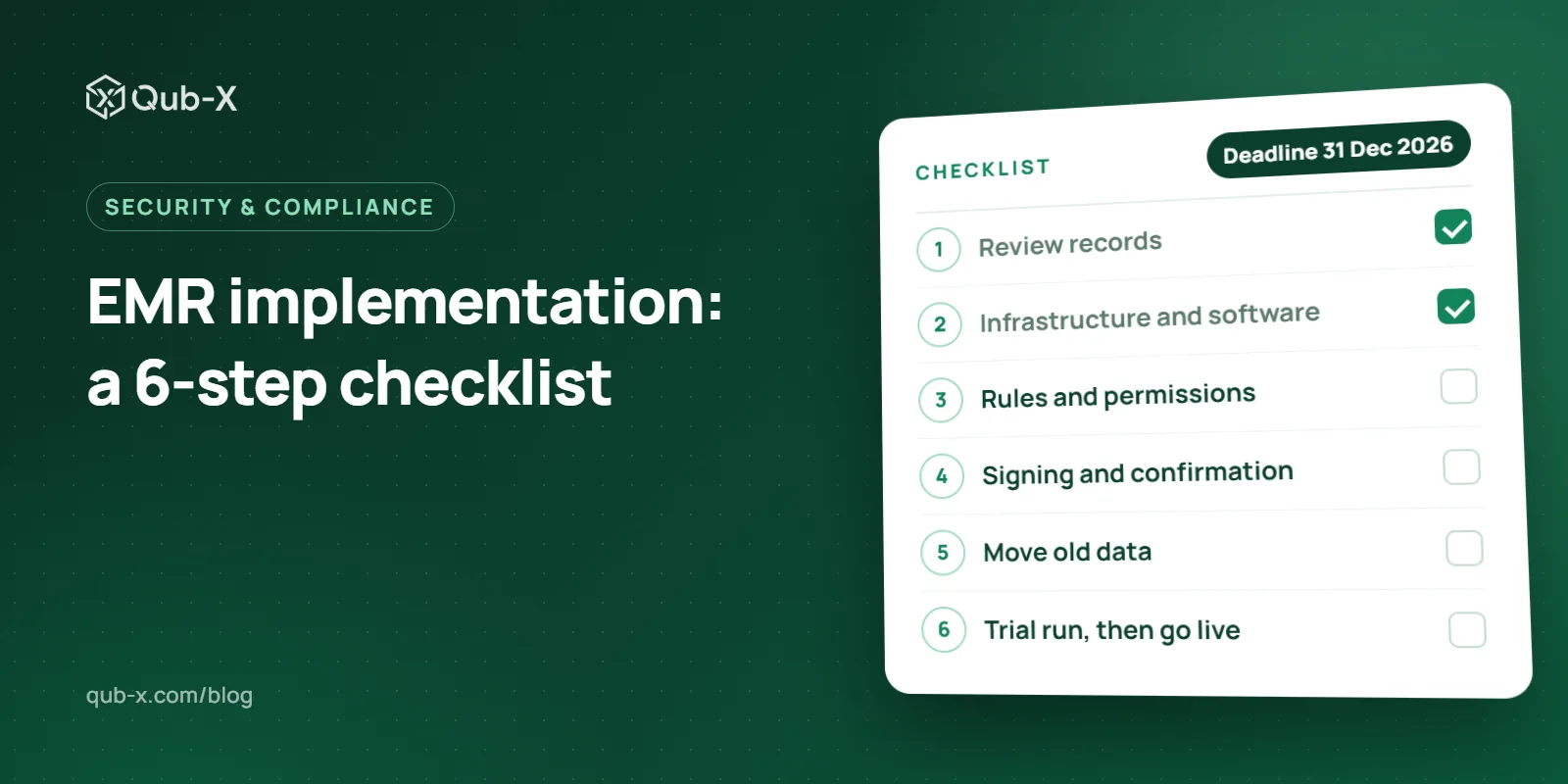
Fewer than 8 weeks remain until 31 December 2026. If your aesthetic or dermatology clinic still keeps medical records in notebooks, Excel files or photos on staff phones, the question is no longer whether to switch, but how to handle EMR implementation in time while appointments keep running. This article does not repeat every rule (they are covered in EMR software that meets Ministry of Health standards). It goes straight to the 6 steps, with an 8-week schedule your clinic can follow.
EMR implementation: the deadline and who must comply
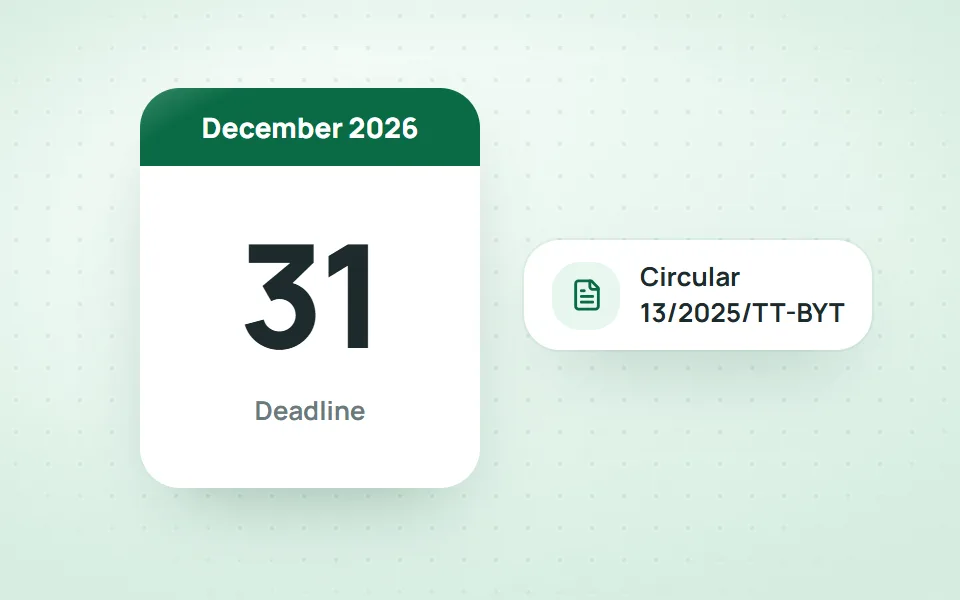
The Ministry of Health's Circular 13/2025/TT-BYT (in Vietnamese) took effect on 21 July 2025 and sets two completion dates (Article 4):
Hospitals: by 30 September 2025 at the latest.
Other medical facilities treating inpatients, day patients and outpatients: by 31 December 2026 at the latest.
Decision 586/QĐ-BYT of 9 March 2026 aims for every medical facility in the country to finish in 2026, and tasks provincial Departments of Health with directing, following up and inspecting the facilities they manage. Private clinics are therefore part of the plan, not just hospitals. Decision 965/QĐ-BYT of 10 April 2026 then sets the 2026–2030 plan, aiming for no paper records at any medical facility.
A suggested 8-week schedule
Week | What should be done |
|---|---|
1 | Review records, equipment and who is responsible |
1–2 | Prepare infrastructure, choose software |
2–3 | Issue internal rules, set permissions |
3 | Decide how records are signed or confirmed |
3–5 | Move data for clients in treatment |
5–7 | Train staff, run both systems side by side |
8 | Go live for every new visit |
Step 1: Review how your clinic keeps records today
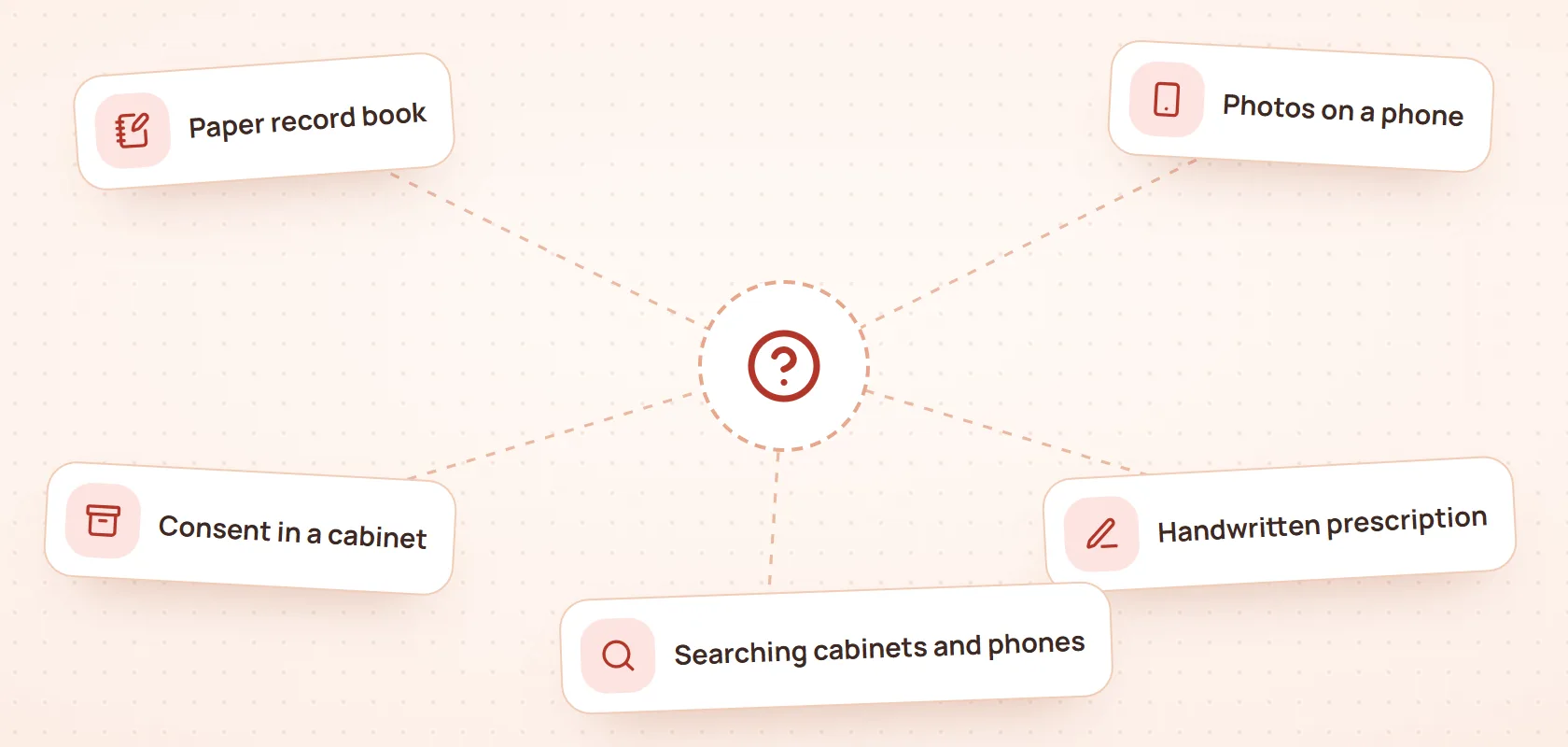
Decision 586/QĐ-BYT asks each facility to review where it stands, then draw up an implementation plan. For an aesthetic clinic, one review meeting should answer five questions:
Where do medical records, treatment consent forms and prescriptions live today: notebooks, Excel, old software or each person's phone?
How many clients are mid-course and need their records moved first?
Who writes which part: doctors, nurses, consultants, receptionists?
What equipment does the clinic have: computers, tablets, network?
Do outpatient records already follow form 15/BV1 of Circular 32/2023/TT-BYT?
The result is a task list with an owner and a due date for each item.
Step 2: Prepare infrastructure and choose EMR software
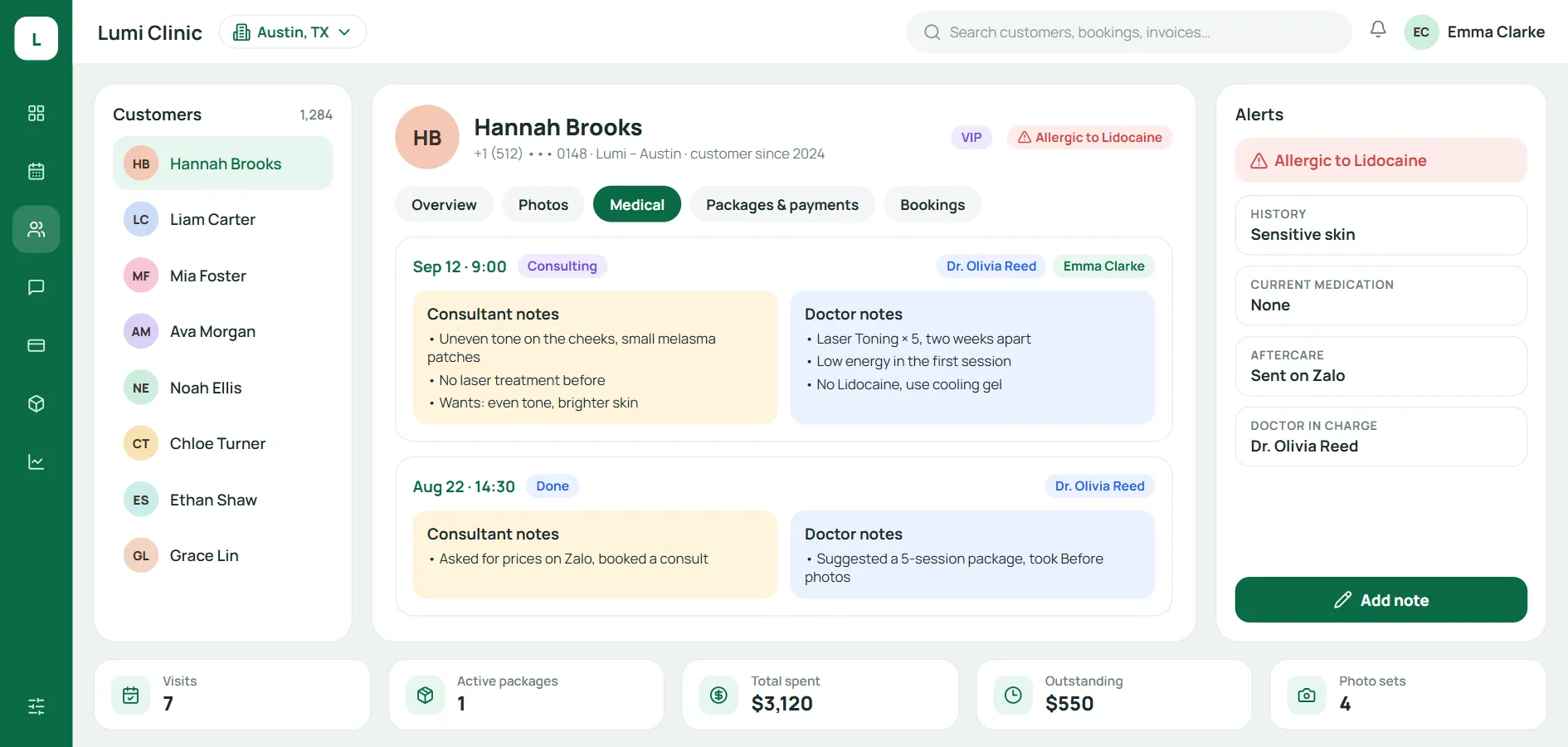
Article 2 of Circular 13 sets the minimum: workstations, network infrastructure, servers, data storage (including backup storage), IT applications for managing examination and treatment, and the ability to restore and retrieve data in electronic medical records.
If the software runs in the cloud, ask the vendor plainly: where is the data stored, how often is it backed up and how long does a restore take? When comparing software, check that it:
Records outpatient visits on form 15/BV1, with diagnoses coded in ICD-10.
Supports electronic signing or confirmation, and locks records once completed.
Sets permissions by role and logs every action.
Links records to appointments, client profiles and payments, with no re-entry.
Helps migrate old data and lets you export your data when needed.
Step 3: Issue internal rules and set permissions
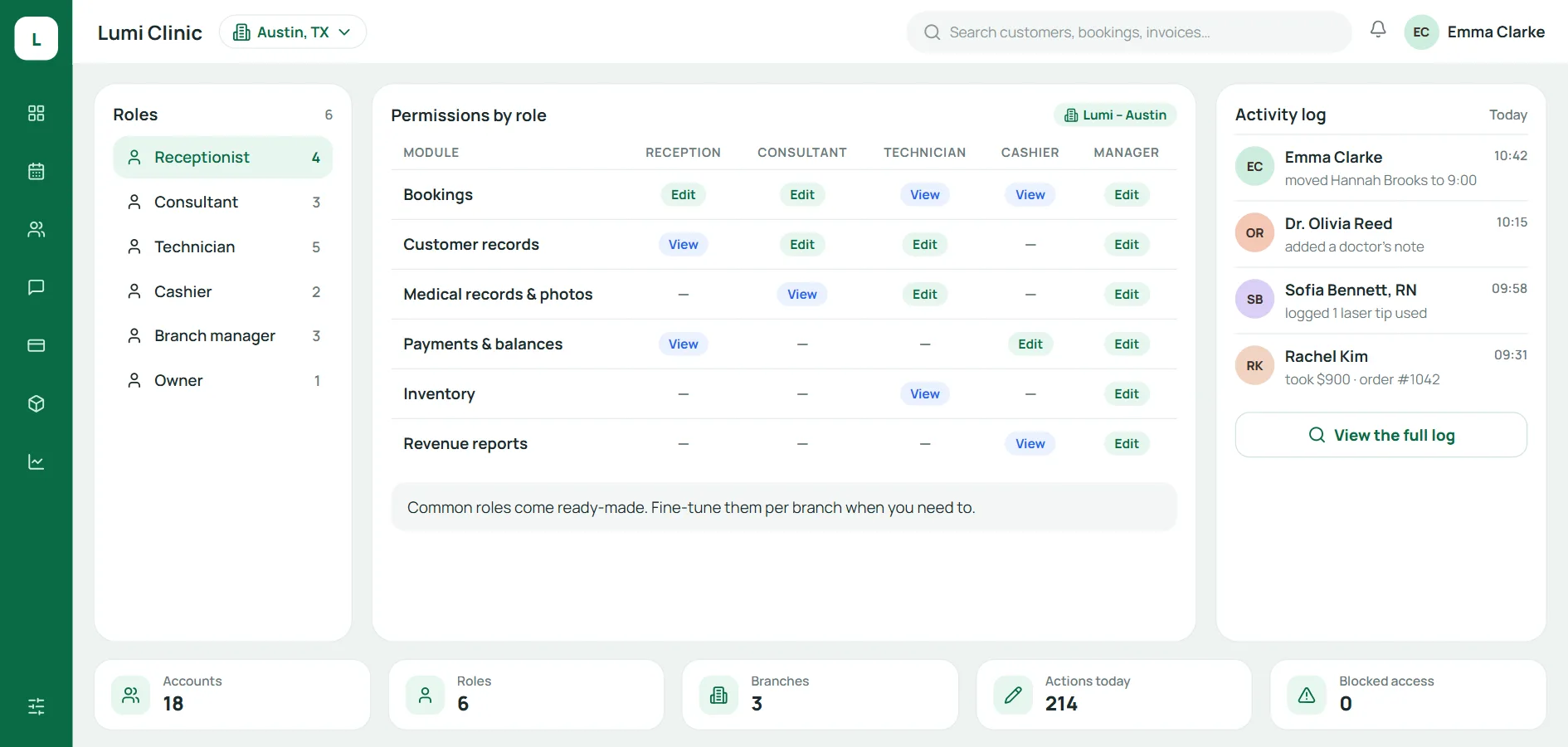
Under Article 6 of Circular 13, each facility must draw up and issue rules on creating, updating, managing, storing, using and securing electronic medical records, including how they are signed and confirmed. The rules need not be long, but they should state clearly:
Which roles may create, view or edit which parts of a record.
How a locked record is corrected, and who approves it.
Who grants and revokes accounts when staff join or leave.
Backup, recovery and retention periods.
What to do when the network or software goes down.
In the software, these rules become a permissions table: receptionists see appointments but cannot open medical records, doctors edit clinical content, and managers see a log of who viewed or changed what.
Step 4: Decide how records are signed or confirmed
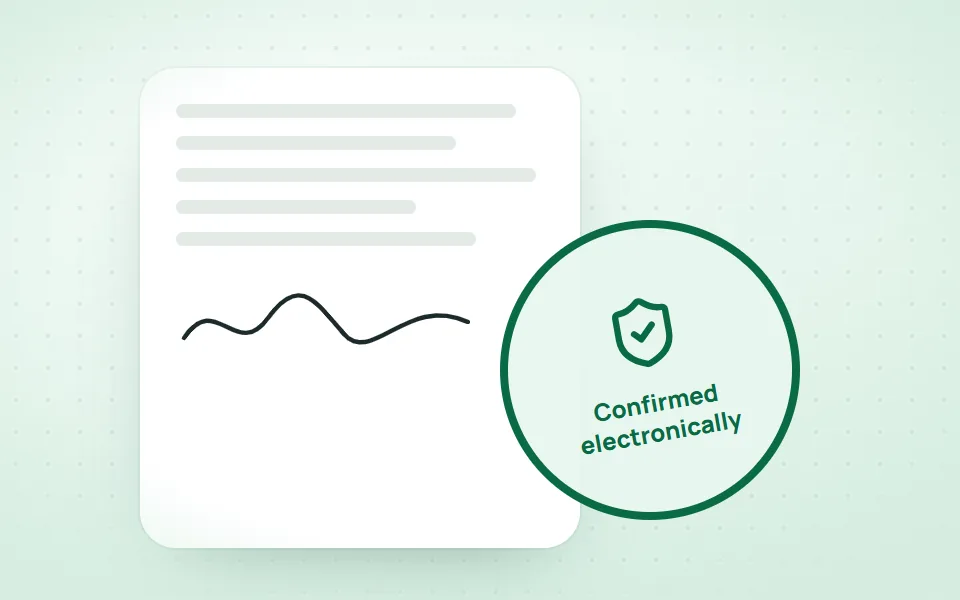
Article 3 of Circular 13 lets medical staff and patients sign or confirm using one of three methods:
A lawful electronic signature.
Biometrics.
Confirmation by other electronic means under clause 4, Article 22 of the Law on Electronic Transactions.
A digital signature certificate is not mandatory. What the clinic must do is pick a method for each type of document (medical records, treatment consent forms, prescriptions), write it into the rules from step 3 and train staff to do it the same way at every branch.
Step 5: Move old data and handle paper records in use
Article 5 of Circular 13 has two points to remember. Patients treated before the Circular took effect may keep paper records until their course of treatment ends, unless the facility can move them to electronic records. Converting between paper records and electronic data is decided by the head of the facility, under Decree 137/2024/NĐ-CP.
In practice, for an aesthetic clinic:
Start with clients mid-course, then clients who returned in the last 6 months.
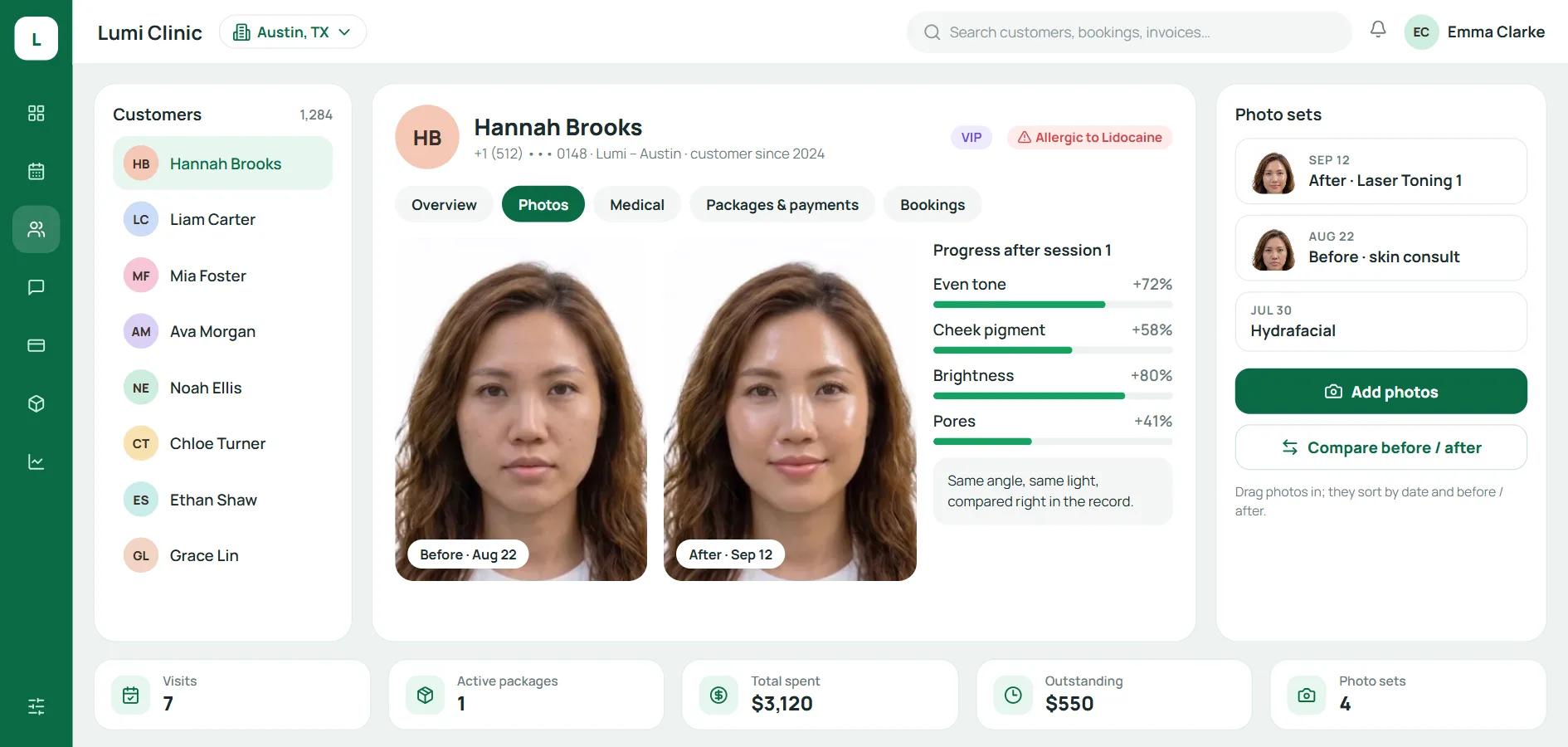
Enter safety information first: allergies, medical history, current medication.
Move before and after photos from staff phones into the right client record.
Keep old paper records for the required retention period; do not destroy them after entry.
Step 6: Train, run a trial, then go live
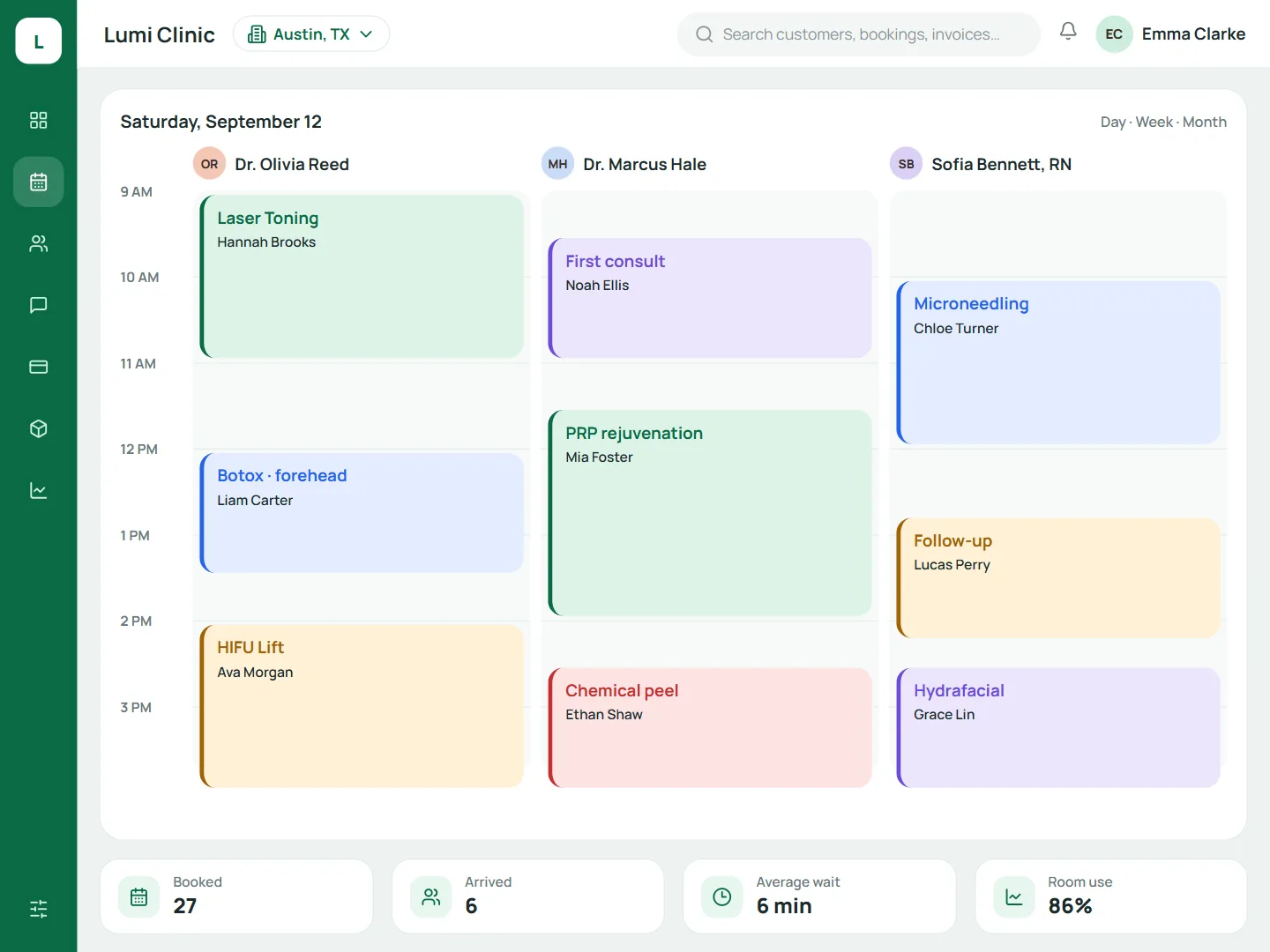
Train by role rather than in one session for everyone: doctors learn to write records and prescribe, receptionists learn check-in and appointments, managers learn permissions and logs. Then run both systems side by side for one to two weeks with one doctor or one service group, noting every snag so the process can be fixed.
Before going live, run through a short checklist:
Every staff member has an account with the right role.
The internal rules have been signed and issued.
A restore from backup has been tested.
The date paper stops for every new visit has been announced.
How Qub-X supports EMR implementation
Qub-X is management software for spas, aesthetic clinics and dermatology clinics. Its EMR module is built around Circular 13/2025/TT-BYT:
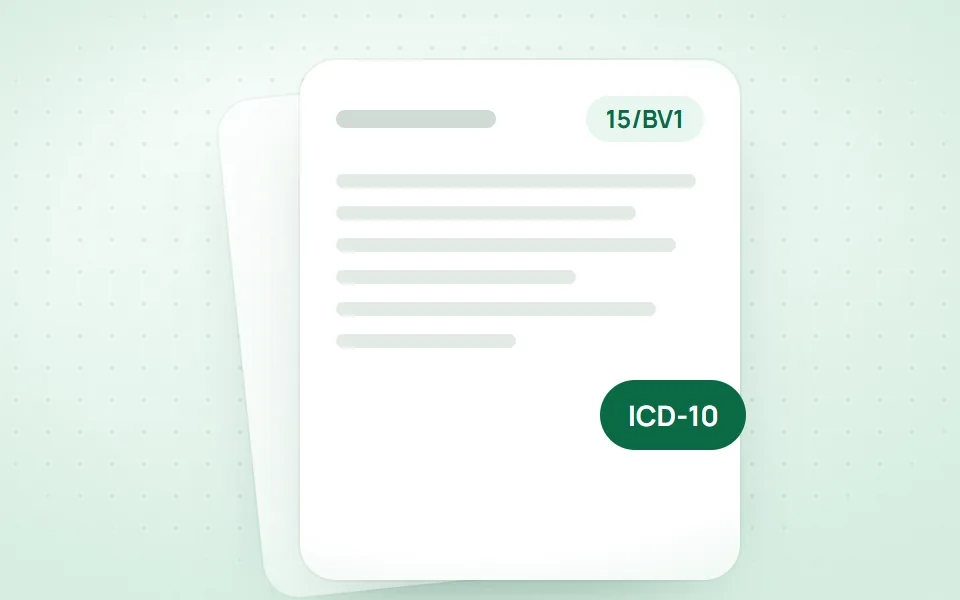
Doctors write records on form 15/BV1 with ICD-10 diagnoses and prescribe right from the appointment. Once completed, the record is confirmed electronically and locked.
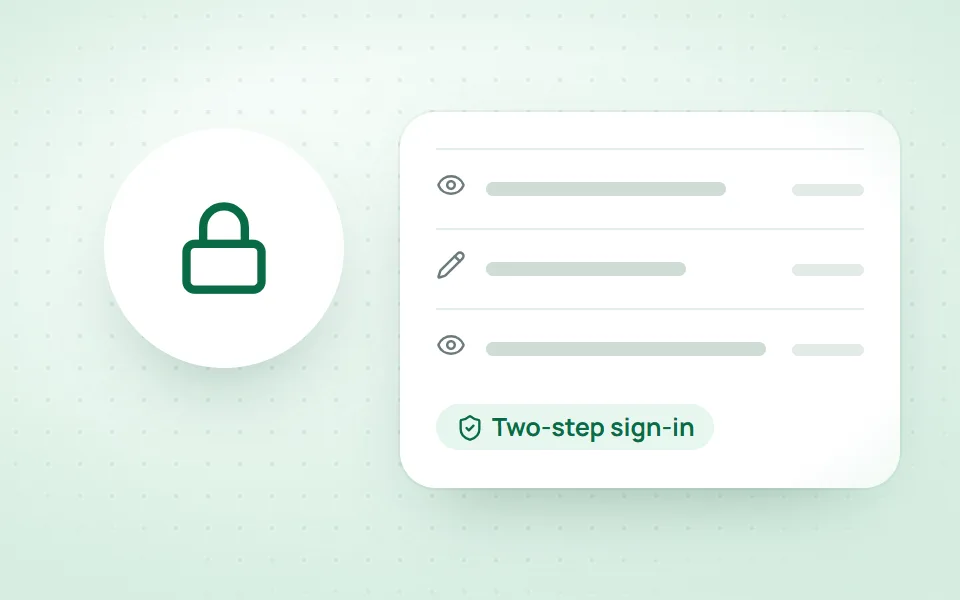
Each role sees only its own part, and every action is logged.
The medical record sits alongside the client profile, appointments, treatment courses and payments.
Sending prescriptions to the National Prescription System: coming soon.
Qub-X runs at an aesthetic clinic chain with 3 branches, about 500 staff and more than 3,500 bookings a month. Clinics can try it for 7 days, and the Qub-X team helps move old data and trains staff by role.
Frequently asked questions
Does a small clinic with a single doctor need EMR implementation? Yes. Circular 13 sets 31 December 2026 for facilities other than hospitals, and Decision 586/QĐ-BYT aims for every medical facility to finish in 2026.
Is a digital signature certificate mandatory? No. Circular 13 accepts a lawful electronic signature, biometrics or another form of electronic confirmation under the Law on Electronic Transactions.
Do all old paper records have to be re-entered? Not necessarily. The head of the facility decides on conversion; start with clients in treatment and keep old paper records for the required retention period.
How long does implementation take? It depends on size. A clinic that starts now can complete all 6 steps in about 8 weeks, following the schedule above.
Conclusion
EMR implementation does not mean pausing appointments if you work in the right order: review, prepare infrastructure and software, issue rules, choose how to sign, move data, then run a trial. Start this week to leave time to fix snags before the 31 December 2026 deadline. Book a Qub-X demo to see EMR running on your clinic's workflow, or try it for 7 days.
Related articles
All articles on Security & compliance- Security & compliance
EMR Software That Meets Vietnam Ministry of Health Standards
The 31 December 2026 deadline is close for every licensed clinic. This guide helps aesthetic and dermatology clinics understand what the Ministry of Health requires and choose EMR software that gets them there in time.
- Security & compliance
Customer data security for aesthetic clinics under the 2026 data law
From 1 January 2026, customers' health information, treatment photos and phone numbers are protected by the Law on Personal Data Protection. How should clinics obtain consent, are they exempt, how large are the fines, and what should they do first?
- Clinic operations
Aesthetic Clinic Management Software: Turning Client Data Into a Competitive Edge
Client data scattered across chat apps, Excel files and separate systems rarely becomes an advantage. Here is how aesthetic clinic management software helps a clinic organise and use its client data on one platform.